

What makes a promising business street in Ho Chi Minh City?
Commercial streets were once judged by familiar advantages such as street frontage, foot traffic and brand visibility. Today, however, the segment is entering a rigorous cycle of selection, in which an asset’s true potential and value must be viewed through a more comprehensive, long-term lens.
A district whose vitality is shaped by mutually reinforcing factors
From an operational perspective, this holistic view begins with the relationship between three factors: the ability to bring people in, an experience compelling enough to keep them there, and an ecosystem that gives them reasons to return. Within this, the first question for any commercial district remains: where will the customers come from?
Located right at the gateway of The Global City, SOHO enjoys the advantage of capturing the flow of people across the area. Its position bordering both Đỗ Xuân Hợp Street and the Ho Chi Minh City - Long Thành - Dầu Giây Expressway connects the district with Thảo Điền, Thủ Thiêm and central Ho Chi Minh City, and further afield with Long Thành International Airport and major transport hubs. As a result, its customer base can extend from the internal community to residents and visitors from many neighbouring areas.
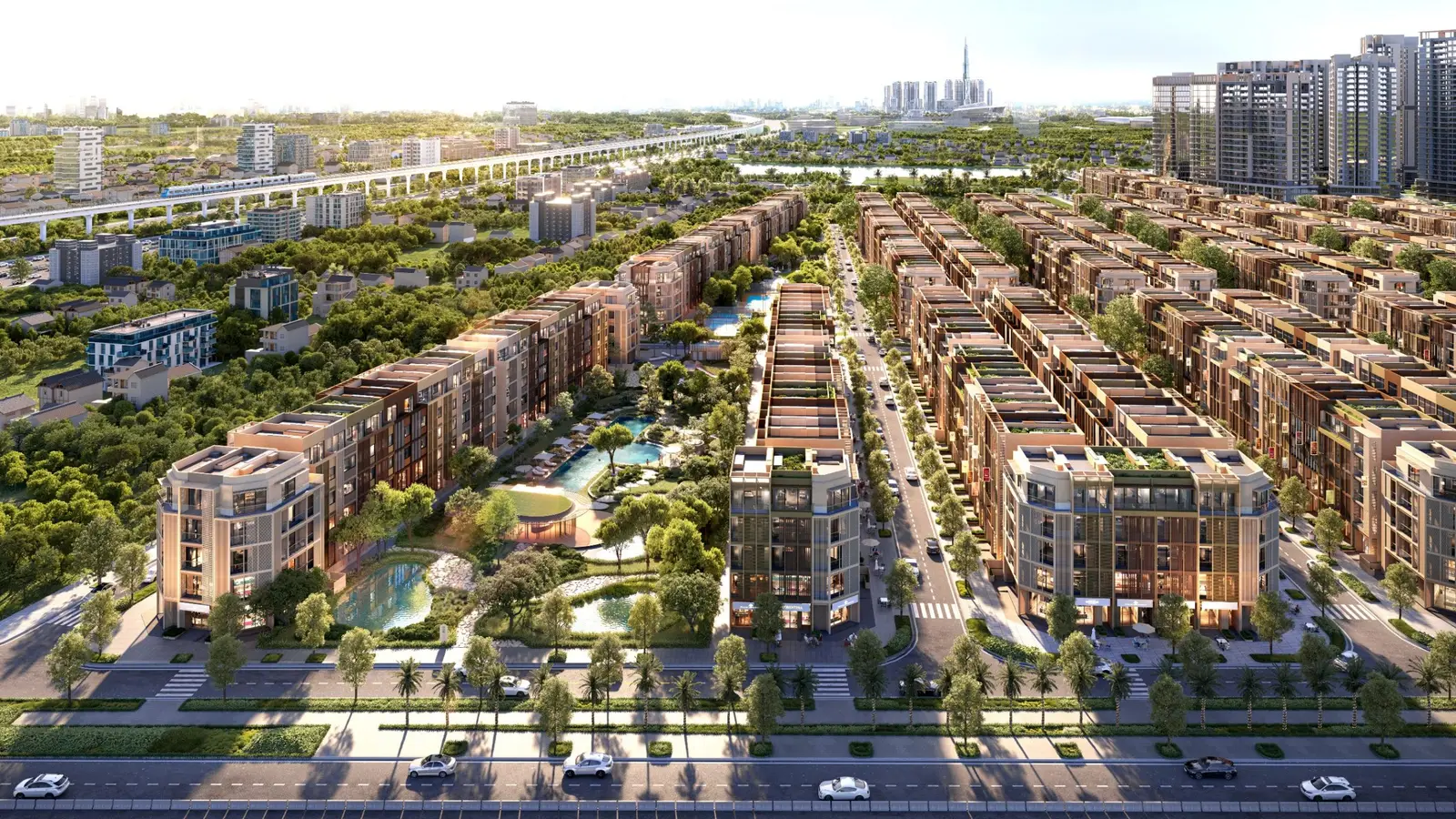 SOHO at The Global City is located right at the heart of eastern Ho Chi Minh City
But bringing people in is only the first step. The next challenge is how to make visitors genuinely want to stop, explore and come back. This is where the role of urban planning and experience comes sharply into focus.
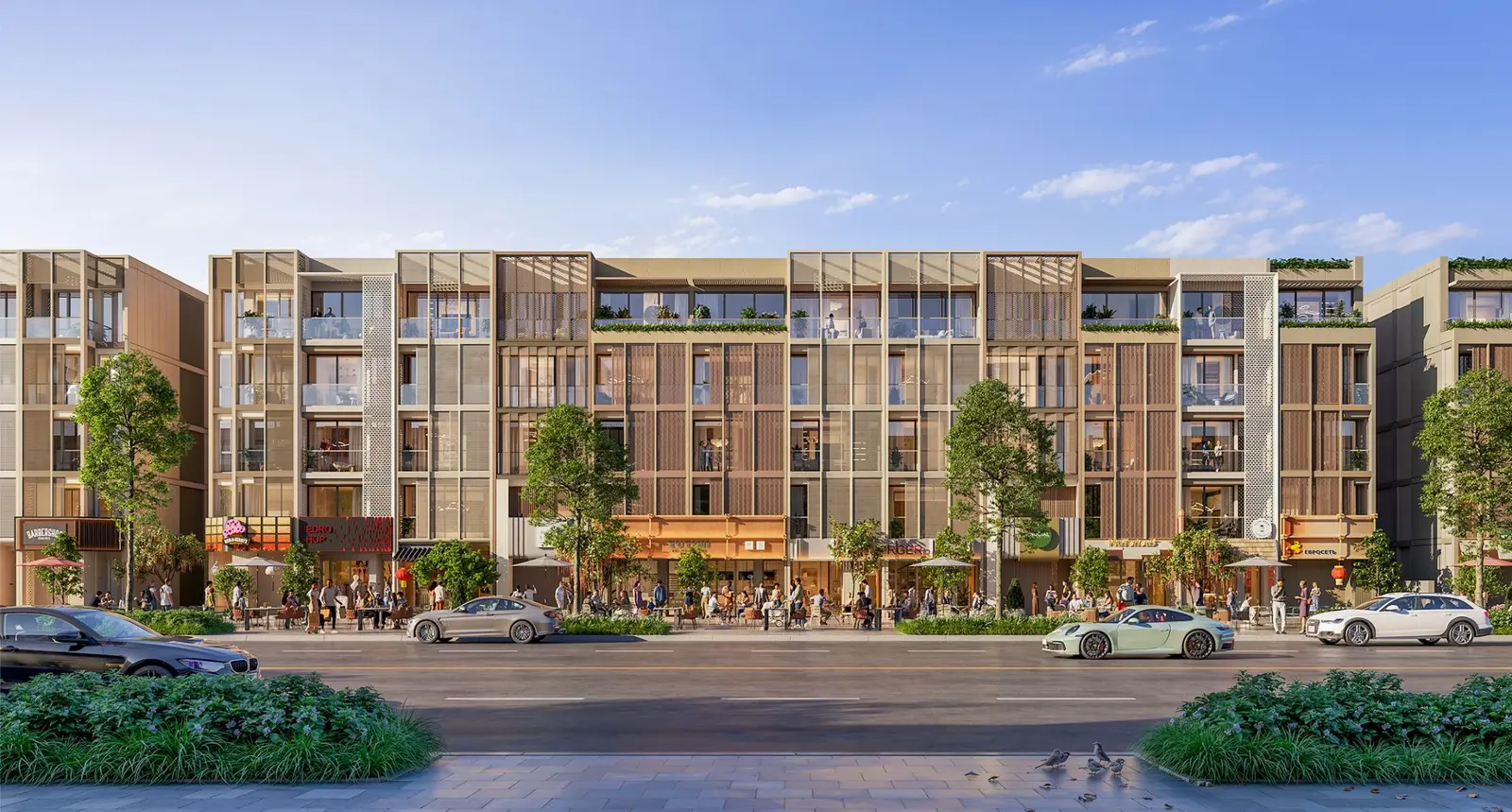
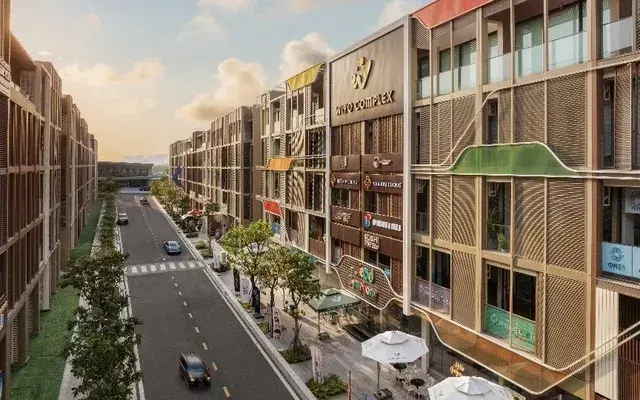
As the first commercial district in Vietnam designed by Foster+Partners, SOHO places the pedestrian experience at its heart, with 3.5m-wide sidewalks, a seamless street network, easily accessible frontages and interwoven open spaces and greenery. Rather than serving merely as routes for getting around, its walk-friendly orientation opens up opportunities to discover the shops and extends the time spent in the district, thereby increasing interaction between customers and brands.
 International-standard walking spaces at SOHO
Yet a single visit is not enough to create lasting vitality. The next source of value lies in whether the district can create reasons for passers-by to become loyal customers. Amid the many destinations for experiences and shopping within the megacity, Cushman & Wakefield forecasts that the “destination retail” model - combining shopping with dining, entertainment and other amenities - has been and will continue to be the trend driving growth in the Vietnamese market.
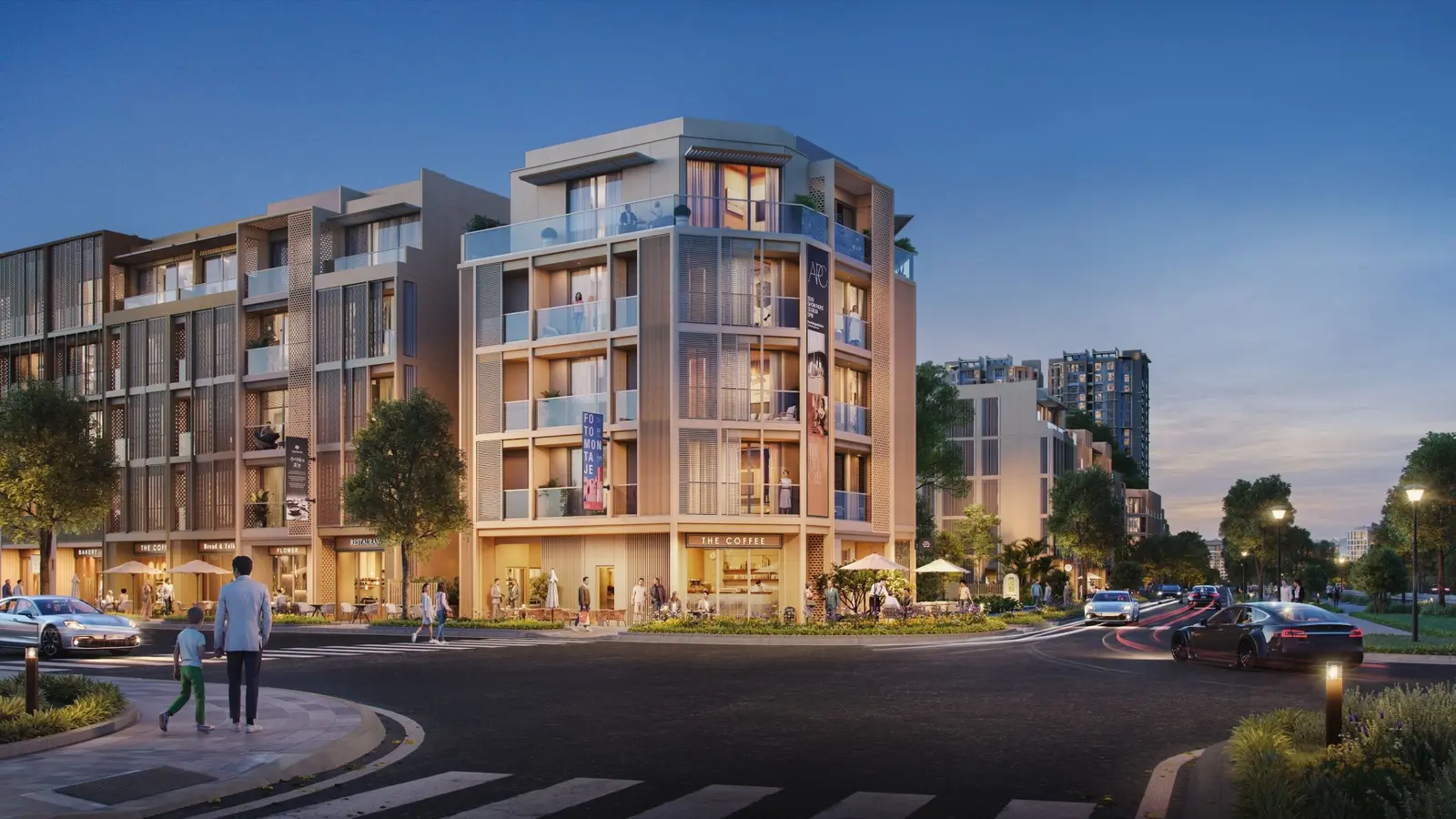
In this respect, SOHO inherits The Global City’s “all-in-one” ecosystem. From a 123,000m² shopping mall, Southeast Asia’s largest musical fountain canal, the City Park sports and entertainment complex, a K-12 international school system, an international hospital and a series of large-scale cultural, sports and entertainment events held year-round,... all of these create many layers of demand, from daily living, studying and working to shopping, dining, experiences and leisure.
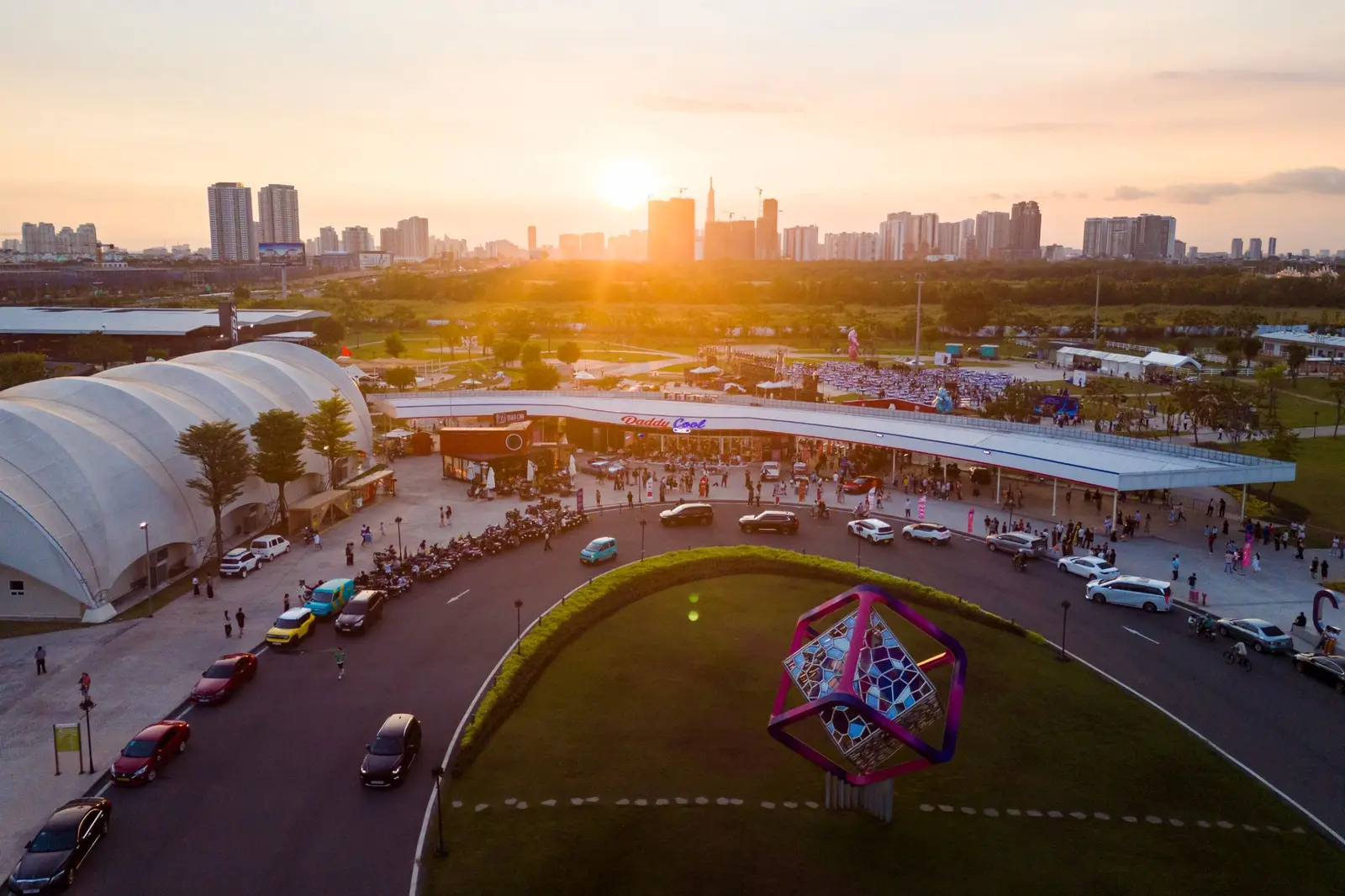 The Global City’s amenities bring a flow of people to experience and enjoy the services at SOHO
In short, location brings people in, planning creates the conditions for them to stop and explore, and the ecosystem broadens their reasons to return. Meanwhile, the infrastructure, the urban area and the community continue to develop, creating further room for long-term growth. The synergy of these factors is the very foundation of SOHO’s commercial vitality.
An asset that moves in step with long-term transformation
While a district’s vitality creates the conditions for business at any given moment, the long-term value of a shophouse also depends on its capacity to keep generating returns as the area, the market and the owner’s needs evolve over time.
At SOHO, this long-term journey is built first and foremost on the values that have already taken shape at The Global City. With the district’s streetscape completed and pink books (ownership certificates) handed over, owners can proactively fit out their spaces, choose their business models and plan their assets for the long term.
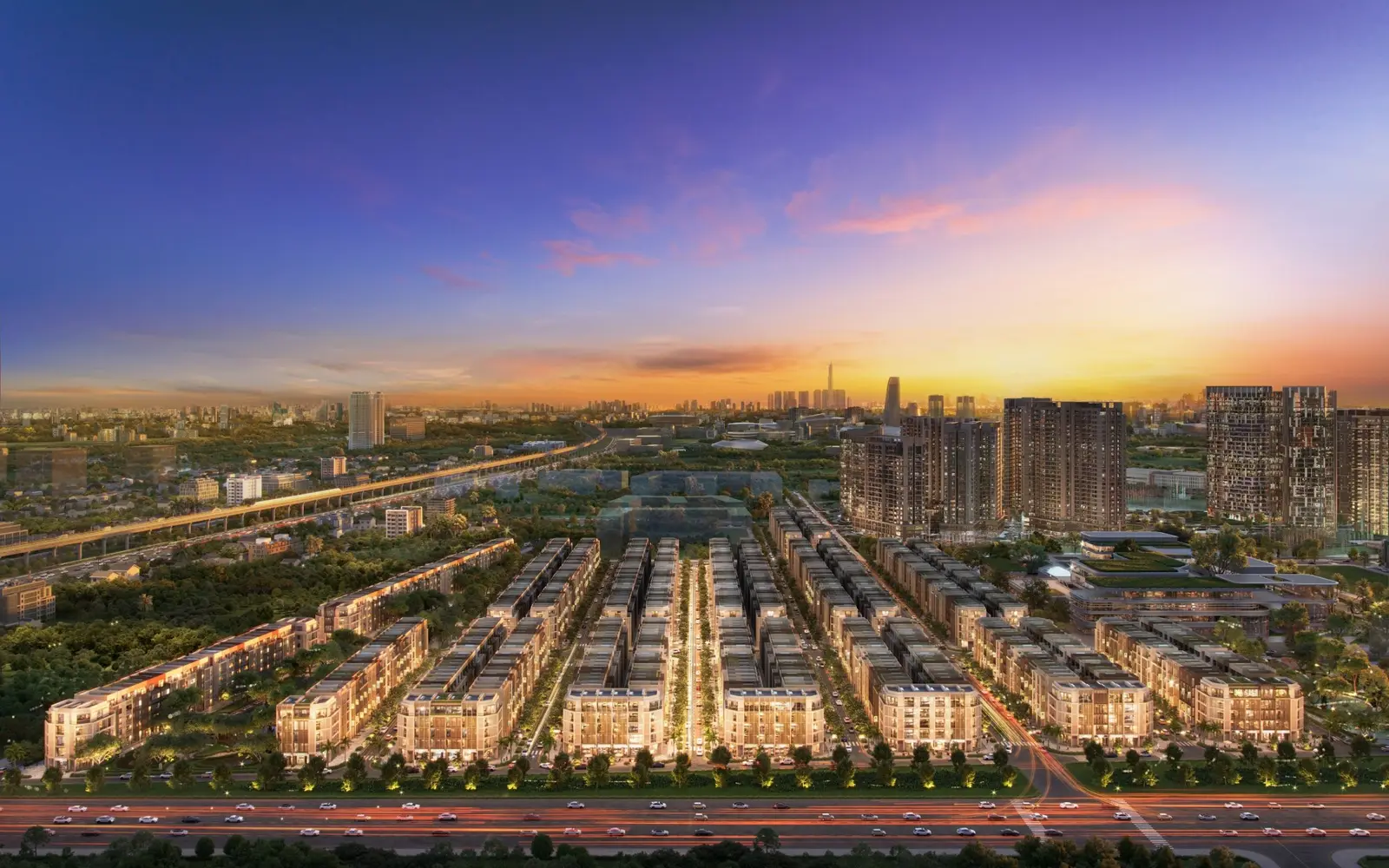 A panoramic view of The Global City and eastern Ho Chi Minh City upon future completion
Beyond the present, demand for commercial activity is set to expand as the entire urban area “matures” in the near future. More than 20 apartment towers are expected to be handed over in succession, building towards a community of around 40,000 residents, alongside more than 20,400 employees in the future office buildings. As the retail, education, healthcare and entertainment ecosystem continues to be completed, The Global City is expected to welcome more than 150,000 people coming to live, work and experience it every day. In addition, the Rạch Chiếc National Sports Complex and the infrastructure development of eastern Ho Chi Minh City will further broaden demand for business, experiences and services at SOHO.
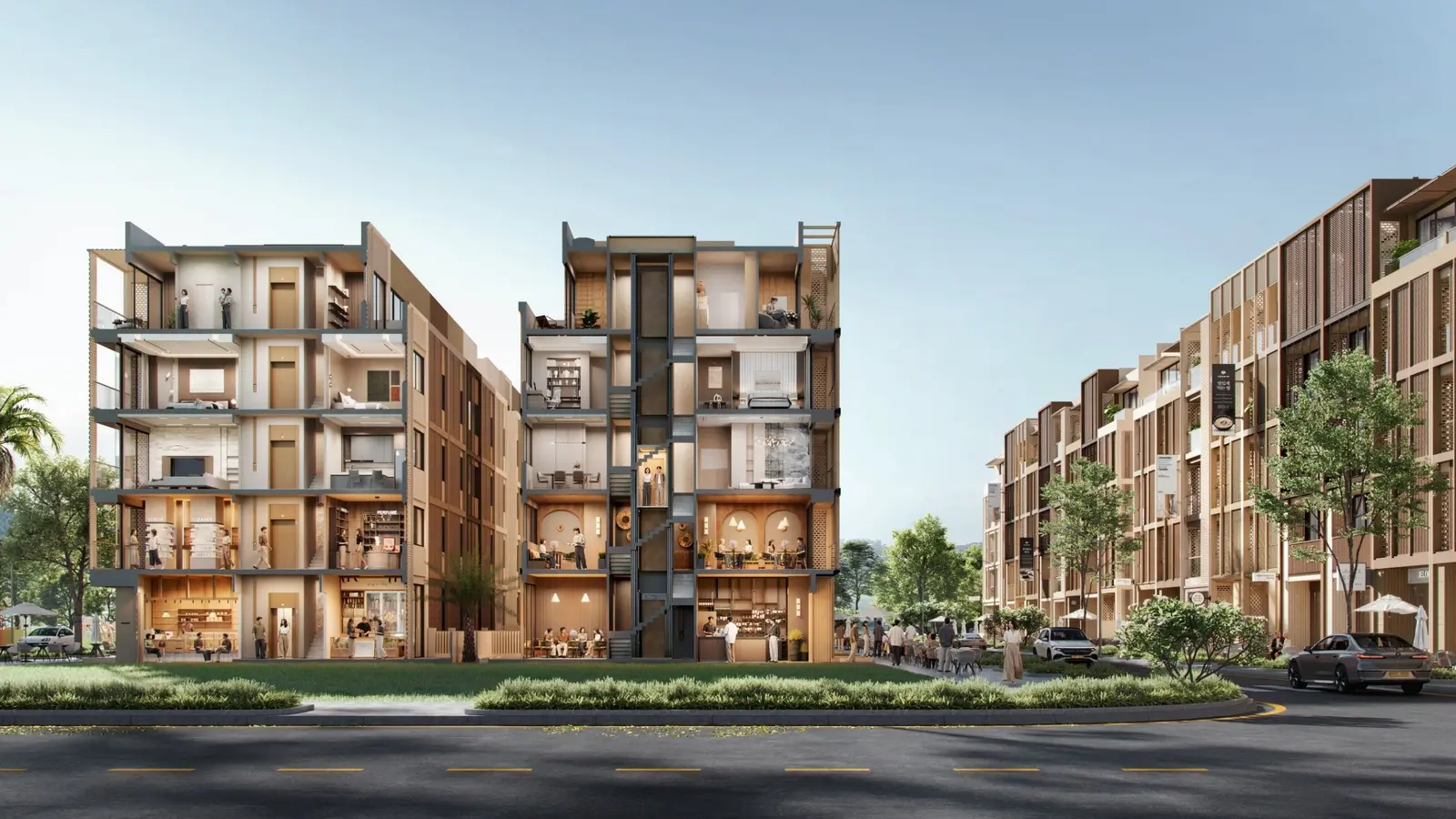
Alongside the transformation of the area, the asset itself must also adapt as business models and family needs change. Because the life cycle of a property is usually longer than that of a business model, the ability to convert its function becomes the foundation for sustaining operational value and building wealth over time.
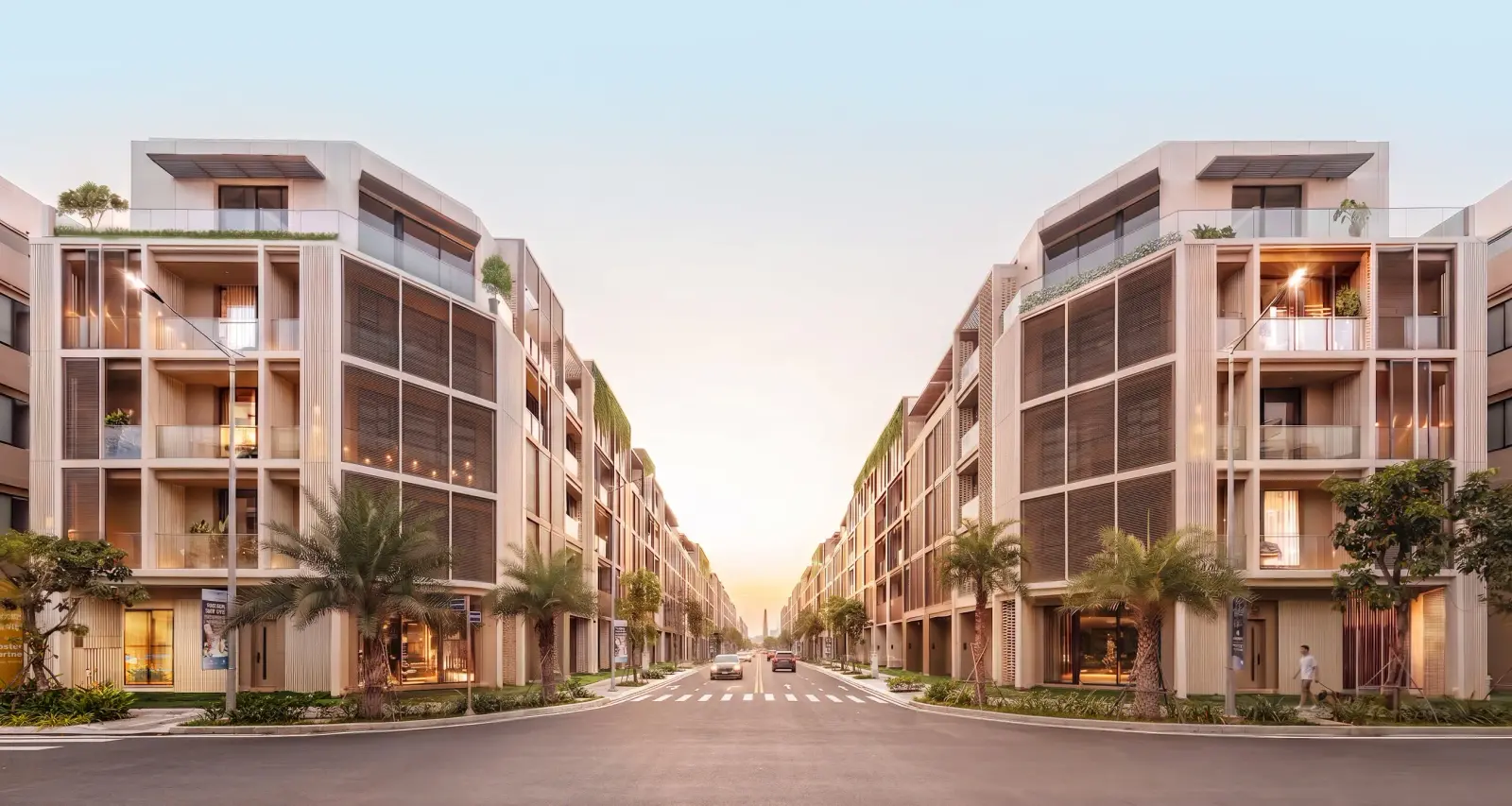
The multi-functional 5-storey shophouse model offers flexibility according to the owner’s needs
Its value as a wealth-building asset is further enriched by The Global City’s comprehensive ecosystem. Spaces for education, healthcare, retail, entertainment and landscape can meet a family’s needs through many stages, from when children grow up alongside their parents to when they come of age, start their careers and build families of their own. As such, SOHO has the foundation to remain relevant for successive generations, as an asset that is both put to productive use and preserved and passed down over time.
In a market that increasingly prizes real value, the prospects of a commercial district are shaped by the synergy between access to footfall, destination appeal, the ecosystem, room for growth and the flexibility of the asset. At SOHO, these factors form the foundation for businesses to grow step by step, while preserving the asset’s wealth-building value and its ability to adapt to the rhythm of life across generations.